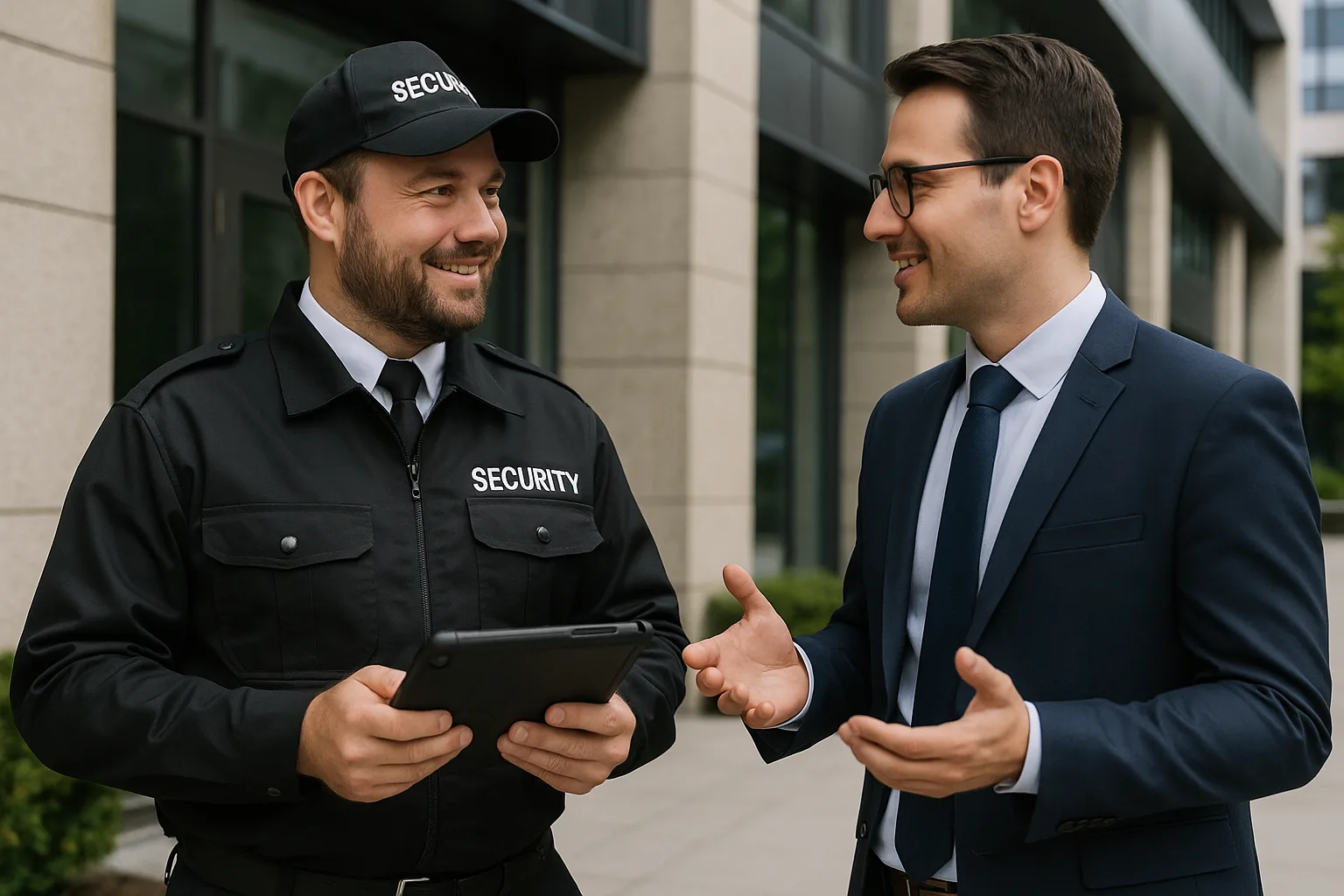
When an alarm goes off in the middle of the night, it’s never just a false alarm until someone checks. That’s where a professional alarm response service comes in. If your business or site is protected by a keyholding and alarm response team, you’ll want to know exactly what happens when that call-out is triggered.
Here’s what to expect — from the moment the alarm sounds to when your site is safely secured.
1. The Moment the Alarm Is Triggered 🚨
An alarm activation can come from a range of issues: motion detection, door contact, glass break sensors, or even a panic button. No matter the cause, the priority is response.
Once the alarm is triggered:
The monitoring centre (if used) receives the signal.
If we’re your keyholding partner, we’re immediately notified.
Our 24/7 control room takes the call and begins rapid deployment.
No need for you to get out of bed, risk walking into a dangerous situation, or worry about whether the alarm is genuine or not — we take that burden off your hands.
2. Immediate Dispatch of a Trained Security Officer 🚗
Our trained mobile response officer will be dispatched straight to your premises. Every officer on call is:
Full qualified and fully insured
Familiar with your site access and layout
Equipped with keys, alarm codes, torches, radios, and protective gear
We respond in clearly marked vehicles and maintain live tracking, ensuring a visible deterrent on arrival.
For businesses in Leicester and across Leicestershire, our central location ensures quick response times — typically well within the agreed timeframe in your contract.

3. On-Site Arrival and Security Check
Once at the scene, our officer will conduct a full perimeter check. They’ll look for:
Signs of forced entry (doors, windows, fencing, locks)
Damage to property or assets
Unusual activity (lights on, vehicles on site, etc.)
If there are no signs of intrusion, they’ll safely enter the property (if authorised) and do an internal check. This includes:
Inspecting entry points
Walking the premises
Checking equipment rooms or storage areas
Ensuring alarm systems are functioning properly
Our officers adjust their checks to match your pre-agreed needs if pets are on site or the location is especially sensitive (like a care home or school).
4. Handling Intrusions or Emergencies
If there are signs of a break-in or any unsafe situation:
The officer immediately contacts the police or relevant emergency service.
The control room notifies you or your designated site contact.
We remain on site until the issue is resolved and the property is secure.
In many cases, our officer may act as the point of contact for the emergency services, providing entry and a briefing.
If urgent repairs are needed (e.g. broken window, door forced open), we can help arrange emergency boarding up or a trusted locksmith.
5. Reporting and Communication
Transparency is key. You'll receive a full written report after every call-out — whether it’s a confirmed incident or a false alarm. This includes:
Time of call-out and arrival
Observations made on site
Actions taken
Police or emergency contact (if any)
Time of departure
Recommendations, if needed
This is shared with you via email or your preferred method. If patterns emerge (e.g., repeated alarms in a certain zone), we’ll flag them for you to review.
6. Why It Matters: Your Safety, Protected
Without professional alarm response:
You or your staff might attend, risking personal safety.
An intruder might still be present on site.
You could face insurance issues if your response protocol isn’t followed.
With a trusted alarm response partner:
The scene is handled by trained professionals.
You stay informed without being exposed to danger.
Your business continues uninterrupted the next day.
7. Tailored Plans for Local Businesses
Our knowledge of Leicestershire’s geography and crime patterns also means we’re proactive, not just reactive. We work closely with local police and community safety partnerships, staying informed about any local risks that might affect your premises.
Whether you run a shop in the city centre, manage student housing near the universities, or oversee a construction site on the outskirts of town, we build your alarm response plan around your needs — including any special access instructions, health and safety concerns, or on-site equipment that needs extra care.
8. The Role of Keyholding in Alarm Response
9. Common Alarm Call-Out Scenarios
10. How Often Should You Review Your Alarm Response Plan?
11. Peace of Mind, 24/7